EXPERTLY SOURCED SPORT & CONCERT TICKETS FOR WORLDWIDE EVENTS - OFFICIAL TICKETS ONLY

Explore the Captivating History of Formula 1
Discover the fascinating History of Formula 1, from its humble beginnings to becoming a global phenomenon in motor sports, in this comprehensive guide.
FORMULA 1
Powerful Tickets - Formula 1 Team
10/22/202524 min read
Explore the Captivating History of Formula 1
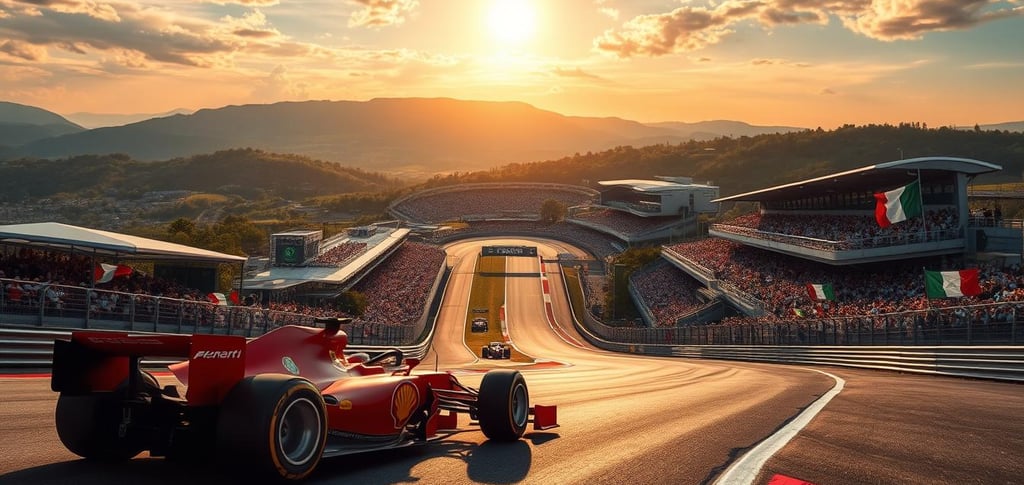
The world of Formula 1 is a realm where speed meets innovation, and the thrill of racing has captivated audiences for decades. With a rich heritage spanning over seven decades, it is one of the most popular and technologically advanced forms of motorsport.
Did you know that the first Formula 1 World Championship was held in 1950, with Italian driver Giuseppe "Nino" Farina taking the inaugural title? Since then, the sport has grown exponentially, with legendary drivers like Ayrton Senna, Michael Schumacher, and Lewis Hamilton etching their names into its history.
The allure of Formula 1 lies not just in its high-speed racing but also in its cutting-edge technology and the strategic minds behind the teams. As we delve into the captivating story of Formula 1, we uncover the key moments and figures that have shaped this beloved sport.
The Formula 1 network includes many races in its annual calendar including - British Grand Prix, Japanese Grand Prix, Italian Grand Prix (Monza), Monaco Grand Prix, Belgian Grand Prix, Dutch Grand Prix, Canadian Grand Prix and more.
The Birth of Formula 1: Pre-Championship Racing (1946-1950)
In the aftermath of World War II, the stage was set for the emergence of Formula 1. The years between 1946 and 1950 were crucial in shaping the sport, as they laid the groundwork for the World Championship that would soon follow.
The Origins of Grand Prix Racing
Grand Prix racing has its roots in the early 20th century, with the first Grand Prix being held in 1906. However, it was after World War II that the sport began to take shape in a form that would eventually become Formula 1. The Grand Prix circuit was revived in 1946, with several races being held across Europe.
The early Grand Prix races were not governed by a single set of rules, leading to a variety of cars and engines competing against each other. This diversity was a hallmark of the pre-war era, with manufacturers like Alfa Romeo, Bugatti, and Mercedes-Benz showcasing their engineering prowess.
Formation of the FIA and Formula Regulations
The Fédération Internationale de l'Automobile (FIA), founded in 1904, played a crucial role in formalising the rules for Grand Prix racing. In 1946, the FIA established the Formula One regulations, which would define the technical parameters for the World Championship.
The formation of these regulations was a significant step towards creating a uniform competition. The FIA's efforts to standardise the sport led to the development of a formula that would be used to govern the technical aspects of Formula 1 cars.
The First Formula 1 Races - Drivers Championship
Although the World Championship did not begin until 1950, the term "Formula 1" was used to describe the top category of racing from 1946 onwards. The first Formula 1 races were held in 1946 and 1947, with events taking place in various locations across Europe.
These early races were instrumental in setting the stage for the inaugural World Championship. Drivers like Juan Manuel Fangio and Alberto Ascari began to make their mark on the sport, competing in a mix of Formula 1 and other categories.
The Golden Era of Italian Dominance (1950-1957)
With the establishment of the Formula 1 World Championship in 1950, Italy's rich motor racing tradition was set to be showcased on the world stage. The country's renowned manufacturers, including Alfa Romeo, Ferrari, and Maserati, were well-positioned to dominate the sport.
The Inaugural World Championship Season
The first Formula 1 World Championship season commenced on May 13, 1950, at Silverstone, with Italian drivers and cars making an immediate impact. Giuseppe "Nino" Farina, driving for Alfa Romeo, won the inaugural championship, marking the beginning of a period of Italian dominance in the sport.
Farina's victory was no surprise, given the strong performance of Alfa Romeo's 158/159 Alfetta, a car that would become synonymous with Italian motor racing success in the early 1950s. The Alfetta's combination of advanced design, powerful engine, and skilled drivers made it a formidable competitor.
Alfa Romeo and the Legendary Alfetta
The Alfa Romeo 158/159 Alfetta was a masterpiece of Italian engineering, boasting a supercharged 1.5-litre engine that produced over 350 horsepower. The car's innovative design, coupled with its exceptional performance, made it nearly unbeatable in the early years of Formula 1.
Alfa Romeo's success with the Alfetta was not limited to Farina's championship win. The team secured several other victories and podium finishes throughout the 1950 season, cementing their reputation as a force to be reckoned with in the sport.
The Rise of Ferrari and Maserati
While Alfa Romeo dominated the inaugural season, other Italian manufacturers were beginning to make their mark on the sport. Ferrari, founded by Enzo Ferrari in 1947, entered its first World Championship Grand Prix in 1950, and although it did not achieve immediate success, the team would go on to become one of the most successful and iconic names in Formula 1.
Maserati, another renowned Italian manufacturer, also began to compete in Formula 1 during this period. Although their early years were marked by struggles, Maserati's commitment to innovation and performance would eventually pay dividends.
Juan Manuel Fangio: The First F1 Legend
The rise of Argentine driver Juan Manuel Fangio marked the beginning of a new era in Formula 1. Fangio, who drove for Alfa Romeo, Maserati, and other teams, became the sport's first true legend, winning multiple World Championships and cementing his status as one of the greatest drivers in the history of the sport.
Fangio's success was not solely due to his driving skills; he was also known for his ability to adapt to different cars and teams, making him a valuable asset to his employers. His legacy continues to be celebrated by Formula 1 fans around the world.
The British Revolution: Rear-Engine Innovation (1958-1961)
The period from 1958 to 1961 is often cited as the era when British constructors, led by Cooper, pioneered the rear-engine revolution in Formula 1. This significant shift in design philosophy not only changed the face of the sport but also gave British teams a competitive edge they had previously lacked.
Cooper's Mid-Engine Revolution
The Cooper Car Company, founded by Charles and John Cooper, played a pivotal role in the rear-engine revolution. Their decision to place the engine behind the driver, rather than in the traditional front-mounted position, was met with skepticism at first. However, the Cooper team's innovative design proved to be a game-changer, offering improved traction and reduced weight distribution issues.
Jack Brabham, driving for Cooper, became a key figure in demonstrating the effectiveness of the mid-engine layout. His successes on the track helped to validate the design, paving the way for other teams to adopt similar configurations.
The "Garagistes" Challenge Factory Teams
The late 1950s and early 1960s saw the rise of the "Garagistes," a group of privateer teams known for their resourcefulness and innovative approach to racing. These teams, often operating on limited budgets, challenged the dominance of the factory-backed teams through their ingenuity and determination.
The "Garagistes" were instrumental in pushing the boundaries of what was possible in Formula 1, often experimenting with novel designs and technologies that would later be adopted by the larger constructors. Their presence added a vibrant dynamic to the sport, fostering a culture of innovation and competition.
Stirling Moss: The Greatest Driver Never to Win a Championship
Stirling Moss is widely regarded as one of the greatest drivers in Formula 1 history, known for his exceptional skill and versatility behind the wheel. Despite his impressive record, Moss never managed to secure a World Drivers' Championship title, a fact that is often attributed to the competitive era in which he drove.
Moss's driving career was marked by numerous victories and podium finishes, showcasing his talent and adaptability across different cars and teams. His legacy continues to be celebrated by Formula 1 enthusiasts, who recognise his contributions to the sport's rich history.
The History of Formula 1 Engine Regulations
Since its early days, Formula 1 has seen numerous changes in engine regulations, driven by the quest for speed and efficiency. These changes have not only influenced the performance of the cars but have also played a crucial role in shaping the technological landscape of the sport.
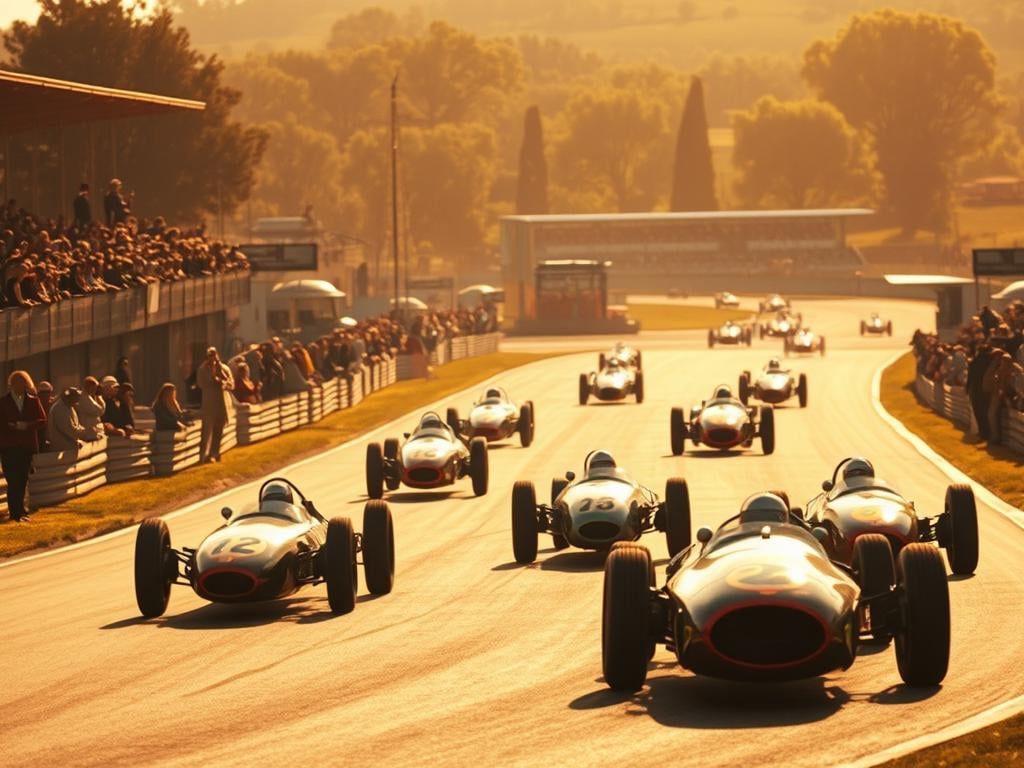
The 1.5-Litre Era (1961-1965)
The early 1960s marked a significant period in Formula 1 history with the introduction of the 1.5-litre engine regulation. This era was characterised by a shift towards smaller, more efficient engines, which had a profound impact on car design and performance. The regulation change was aimed at reducing the power output of the engines, thereby decreasing the speeds of the cars and enhancing safety.
Key Developments: The 1.5-litre era saw the rise of innovative engine designs, with manufacturers like Coventry Climax and Ferrari developing sophisticated engines to compete. The Climax engine, in particular, became renowned for its reliability and performance, powering several championship-winning cars.
The Return to Power: 3.0-Litre Engines (1966-1986)
In 1966, the engine regulations were revised to allow for 3.0-litre engines, marking a return to higher power outputs. This change led to a significant increase in engine performance, with cars becoming faster and more powerful. The 3.0-litre era was characterised by the development of robust engines, with Cosworth DFV becoming an iconic engine in this period.
The Cosworth DFV's Impact: The Cosworth DFV engine, designed by Keith Duckworth and Mike Costin, revolutionised Formula 1 by providing a competitive, reliable, and powerful engine. Its success was instrumental in shaping the sport's technical landscape during the late 1960s and 1970s.
The Turbo Era and Its Legacy
The late 1970s and early 1980s witnessed the introduction of turbocharged engines, which dramatically increased engine power. The turbo era was marked by intense competition among manufacturers to develop more powerful engines, leading to significant technological advancements. However, the turbo era also raised concerns regarding safety and cost.
Legacy of the Turbo Era: The turbo era left a lasting legacy on Formula 1, driving innovation in engine technology. Although the turbo era ended in the late 1980s due to regulatory changes aimed at reducing power and costs, its impact on the sport's technological development was profound.
The Rise of British Teams (1962-1967)
The period from 1962 to 1967 was transformative for British Formula 1, with teams like Lotus and BRM leading the charge through innovation and competitive spirit. This era saw British constructors not only challenging but also surpassing their continental rivals, thanks to a combination of innovative designs, strategic thinking, and exceptional driving talent.
Lotus and Colin Chapman's Innovations
Lotus, under the visionary leadership of Colin Chapman, was at the forefront of this British resurgence. Chapman's innovative approach to car design, focusing on lightweight structures and aerodynamic efficiency, revolutionised the sport. The introduction of the monocoque chassis with the Lotus 25 in 1962 marked a significant milestone, offering improved safety and performance. This design became a standard for future F1 cars.
Chapman's commitment to innovation was not limited to car design. He was also a pioneer in the use of new materials and technologies, such as the introduction of ground-effect aerodynamics. The Lotus 49, with its Cosworth DFV engine, further cemented Lotus's status as a leading constructor, showcasing the potential of British engineering in F1.
Lotus's innovative designs and Chapman's leadership played a crucial role in the team's success during this period.
BRM and the British Constructor Renaissance
BRM (British Racing Motors) was another key player in the British F1 renaissance of the 1960s. After initial struggles, BRM found success with the introduction of the P261 model, which provided Graham Hill with his World Championship in 1962. BRM's success was not just about the cars; it was also about the team's ability to adapt and innovate, often challenging the more favoured teams.
The BRM story is one of resilience and determination, as the team navigated the challenges of F1's evolving technical landscape. Their achievements during this period contributed significantly to the growing reputation of British constructors in the sport.
Jim Clark: Scotland's Racing Hero
Jim Clark, a Scottish driver, is often regarded as one of the greatest Formula 1 drivers of all time. Driving for Lotus, Clark won two World Championships (1963 and 1965) and became synonymous with the team's success during the 1960s. Clark's talent, combined with the innovative Lotus cars, made him almost unbeatable during his prime.
Clark's achievements on the track were not just a testament to his driving skill but also to his ability to work closely with Colin Chapman, pushing the boundaries of what was possible in F1 car design and performance. Tragically, Clark's life was cut short in a racing accident in 1968, but his legacy continues to inspire drivers and teams alike.
Clark's legacy as a driver and his contribution to Lotus's success remain unparalleled, making him a hero not just in Scotland but in the world of Formula 1.
The Dawn of Aerodynamics and Sponsorship (1968-1976)
As the 1960s drew to a close, Formula 1 was on the cusp of a revolution, with the introduction of aerodynamic aids and commercial sponsorship changing the face of the sport. The years between 1968 and 1976 were pivotal, witnessing significant advancements in technology and a substantial influx of commercial money.
The Introduction of Wings and Ground Effects
The late 1960s saw a major technological shift with the introduction of aerodynamic wings to Formula 1. Initially, these wings were often mounted high above the cars, but it wasn't long before designers realised the potential for downforce and the need for stability. By the early 1970s, wings had become an integral part of F1 car design, with teams experimenting with various configurations to maximise downforce.
The development of ground effect aerodynamics in the mid-1970s further transformed the sport. Teams like Lotus, led by the innovative Colin Chapman, pioneered the use of venturi tunnels under the cars to create a low-pressure area, significantly increasing downforce and cornering speeds. This technological leap forward had a profound impact on car design and performance.
Tobacco Money and Commercial Sponsorship
The late 1960s and early 1970s also saw a significant increase in commercial sponsorship in Formula 1, with tobacco companies being among the most prominent sponsors. Brands like Gold Leaf, Marlboro, and Gitanes brought substantial financial backing to the sport, enabling teams to invest in research and development. This influx of money helped to professionalize the sport, raising the profile of Formula 1 globally.
Commercial sponsorship also led to the introduction of more sophisticated marketing strategies, with teams and drivers becoming recognisable brands in their own right. The association with tobacco companies, however, would later become a subject of controversy, leading to restrictions on tobacco advertising in the sport.
Jackie Stewart: Champion and Safety Pioneer
During this period, Scottish driver Jackie Stewart emerged as not only a multiple World Champion but also a vocal advocate for safety in Formula 1. Stewart's concerns about the dangerous conditions on the circuits, highlighted by the tragic death of his friend Jochen Rindt, led to significant improvements in safety standards. He campaigned tirelessly for better circuit safety, improved protective gear for drivers, and more stringent safety regulations.
Stewart's efforts, supported by other drivers and eventually by the governing bodies, led to a marked reduction in fatalities and serious injuries in the sport. His legacy extends beyond his driving achievements, as he played a crucial role in making Formula 1 a safer sport for future generations.
The Ground Effect Era and the FISA-FOCA War (1977-1983)
The introduction of ground effect technology in the late 1970s marked a pivotal moment in Formula 1 history. This era was characterised by significant technological innovation and political turmoil, setting the stage for the modern sport.
Lotus 79 and the Ground Effect Revolution
The Lotus 79, designed by Colin Chapman and Martin Ogilvie, was the car that fully exploited the potential of ground effect. By incorporating venturi tunnels under the car, they created a significant aerodynamic advantage. This design not only improved downforce but also reduced drag, making the Lotus 79 a dominant force in the 1978 season.
The success of the Lotus 79 sparked a technological race among other teams to develop their own ground effect cars. However, this pursuit of aerodynamic advantage led to concerns over safety and the escalating costs associated with the technology.
The impact of the Lotus 79 was immediate and profound.
The Political Battle for Control of F1
The ground effect era coincided with a period of political upheaval in Formula 1, known as the FISA-FOCA War. FISA (Fédération Internationale du Sport Automobile) was the governing body responsible for regulating the sport, while FOCA (Formula One Constructors Association) represented the interests of the teams.
The conflict centered on issues of commercial rights, safety regulations, and the distribution of revenue. FOCA, led by Bernie Ecclestone, sought greater control over the commercial aspects of the sport, while FISA, under the presidency of Jean-Marie Balestre, aimed to maintain regulatory authority.
The tension between FISA and FOCA led to a complex and often contentious relationship.
The First Concorde Agreement
The FISA-FOCA War was temporarily resolved with the signing of the first Concorde Agreement in 1981. This landmark agreement established a framework for the governance and commercial management of Formula 1, balancing the interests of FISA, FOCA, and the teams.
The Concorde Agreement had a profound impact on the sport, providing stability and paving the way for future commercial growth. It established the principle of revenue sharing among teams and recognised the commercial rights of FOCA.
The Concorde Agreement remains a cornerstone of Formula 1's governance structure to this day.
The Turbo-Charged 1980s
The advent of turbocharged engines in the 1980s changed the landscape of Formula 1, pushing the boundaries of speed and innovation. This era was marked by intense competition among engine manufacturers and constructors, leading to significant advancements in technology.
Renault's Turbo Innovation and the Power Race
Renault pioneered the use of turbocharged engines in Formula 1, introducing their technology in the late 1970s but gaining prominence in the 1980s. Their innovation sparked a power race among other manufacturers, with teams like Ferrari and BMW responding with their own turbocharged engines.
The introduction of turbocharging brought about a new era of engine development, with a focus on increasing power output. This led to a significant escalation in horsepower, changing the dynamics of the sport.
The 1,000+ Horsepower Monsters
As the turbo era progressed, engine power outputs continued to rise dramatically. By the mid-1980s, some engines were producing over 1,000 horsepower, making them among the most powerful racing engines ever built.
These high-performance engines were not without challenges, however. The increased power came with issues related to reliability, fuel consumption, and driver safety. Teams had to balance the pursuit of power with the need for durability and efficiency.
The era saw legendary drivers like Nelson Piquet and Alain Prost competing in cars powered by these turbocharged behemoths, showcasing their driving skills and the technological prowess of their teams.
The End of the Turbo Era
Despite the technological advancements and thrilling racing, the turbo era came to an end in the late 1980s. Concerns over safety, cost, and competitiveness led to a regulatory overhaul, resulting in the banning of turbocharged engines from the 1989 season.
The legacy of the turbo era, however, continued to influence Formula 1. The innovations and lessons learned during this period laid the groundwork for future technological developments in the sport.
The Era of the "Famous Four" (1984-1993)
Between 1984 and 1993, Formula 1 witnessed an era defined by exceptional talent, as four drivers - Alain Prost, Ayrton Senna, Nigel Mansell, and Nelson Piquet - captivated the world with their racing prowess. This period is often regarded as one of the most competitive and thrilling in the history of the sport, with these drivers pushing the limits of speed and skill.
Prost vs. Senna: The Greatest Rivalry
The rivalry between Alain Prost and Ayrton Senna is one of the most iconic in Formula 1 history. Both drivers were teammates at McLaren-Honda, yet their on-track battles were intense and frequently controversial. Senna, known for his aggressive driving style, often found himself at odds with Prost's more calculated approach. Their rivalry was not just about speed; it was also about style and personality, captivating fans worldwide.
The tension between them reached its peak in the late 1980s and early 1990s, with several memorable incidents that highlighted their competitive nature. Despite being teammates, they were involved in numerous on-track collisions and controversies, making their rivalry one of the most discussed topics in Formula 1.
Mansell and Piquet: The British-Brazilian Battles
Nigel Mansell and Nelson Piquet, both highly skilled drivers, had a complex and often contentious relationship during their time in Formula 1. Mansell, known for his raw speed and determination, was a fan favorite, while Piquet, with his exceptional talent and experience, was a three-time world champion. Their battles on the track were legendary, with both drivers pushing each other to new heights.
Their rivalry was marked by moments of brilliance and frustration, as they constantly sought to outdo each other. Mansell's eventual World Championship win in 1992 was a highlight of this era, showcasing his perseverance and skill.
McLaren-Honda Dominance
The partnership between McLaren and Honda during the late 1980s and early 1990s was a defining feature of the "Famous Four" era. With Senna and Prost at the wheel, McLaren-Honda secured multiple Constructors' and Drivers' Championships, thanks to their innovative technology and exceptional driver talent.
Honda's powerful engines, combined with McLaren's chassis design and aerodynamic expertise, created a formidable package that dominated the competition. This period is remembered as one of the most successful in McLaren's history, with their cars being almost unbeatable on the track.
The Tragic 1994 Season and Its Aftermath
The 1994 Formula 1 season will forever be remembered for its tragic events. The year was marked by a series of unfortunate incidents that shook the Formula 1 community to its core. One of the most significant tragedies occurred during the San Marino Grand Prix weekend.
The San Marino Grand Prix Weekend
The San Marino Grand Prix, held at the Autodromo Enzo e Dino Ferrari in Imola, Italy, was the third round of the 1994 Formula 1 World Championship. The weekend got off to a rocky start with a fatal accident involving Brazilian driver Ayrton Senna's compatriot, Rubens Barrichello, during Friday practice. Barrichello suffered a high-speed crash, resulting in a serious injury that left him unconscious for several minutes.
On April 30, 1994, during the San Marino Grand Prix, Austrian driver Roland Ratzenberger lost his life in a crash during qualifying. This was followed by Ayrton Senna's fatal accident the next day, on May 1, 1994, while leading the race. Senna's crash was particularly devastating, and it led to an outpouring of grief within the Formula 1 community and beyond.
Ayrton Senna's Legacy
Ayrton Senna was more than just a Formula 1 driver; he was a three-time World Champion and one of the most beloved figures in the sport. His death sent shockwaves around the world, with tributes pouring in from fans, fellow drivers, and the wider motorsport community. Senna's legacy extends beyond his on-track achievements; he is remembered for his exceptional driving skills, his commitment to safety, and his charitable work, particularly in his home country of Brazil.
In the years following his death, numerous tributes have been paid to Senna, including the establishment of the Ayrton Senna Institute, which focuses on education and social projects in Brazil. His influence on Formula 1 continues to be felt, with many regarding him as one of the greatest drivers in the history of the sport.
Safety Reforms and Rule Changes
The tragic events of the 1994 season, particularly the loss of Ayrton Senna and Roland Ratzenberger, led to a significant overhaul of safety regulations in Formula 1. The FIA, the governing body of Formula 1, implemented a series of safety reforms aimed at reducing the risk of fatal accidents. These included improvements to circuit safety, such as better crash barriers and run-off areas, as well as advancements in driver protection, including stronger chassis and improved helmets.
The aftermath of the 1994 season also saw changes in the sporting regulations, with a focus on reducing speeds and improving safety. These changes have had a lasting impact on the sport, contributing to the improved safety record of Formula 1 in the decades since.
The Schumacher-Ferrari Dynasty (1996-2006)
In 1996, Michael Schumacher made a pivotal move to Ferrari, setting the stage for a period of unprecedented success and establishing the Schumacher-Ferrari dynasty. This era would be marked by significant achievements, both for Schumacher and Ferrari, as they worked together to reclaim the team's former glory.
The Rebuilding Years (1996-1999)
When Schumacher joined Ferrari in 1996, the team was in a period of transition. Despite having talented drivers like Jean Alesi and Eddie Irvine, Ferrari had not won a drivers' championship since 1988. Schumacher's arrival signalled a change in the team's dynamics, as he brought with him a winning mentality and a strong work ethic.
During these rebuilding years, Ferrari focused on developing a competitive car, the F310, and later the F300. Schumacher played a crucial role in the development process, providing valuable feedback to the engineers. Although the team faced challenges, including reliability issues and intense competition from Williams and McLaren, Schumacher's determination and Ferrari's commitment to improvement laid the groundwork for future success.
The Dominant Era (2000-2004)
The year 2000 marked the beginning of Ferrari's dominant era, as Schumacher won his first championship with the team. This was followed by a series of consecutive championships, with Schumacher and Ferrari forming an almost unbeatable partnership. The Ferrari F1-2000, F2001, and F2002 cars were highly competitive, with advanced technology and exceptional aerodynamics.
During this period, Schumacher's skill and experience were instrumental in Ferrari's success. He was supported by talented teammates like Rubens Barrichello, and together they helped Ferrari secure multiple constructors' championships. The team's dominance was a result of a combination of factors, including a strong car, effective strategy, and Schumacher's exceptional driving.
The Final Battles (2005-2006)
By 2005, the FIA had introduced new regulations, including a change to tyre specifications, which affected Ferrari's dominance. The team faced stiff competition from Renault and McLaren, and Schumacher struggled to adapt to the new conditions. Despite these challenges, Ferrari continued to innovate and improve, with Schumacher showing remarkable resilience.
In 2006, Schumacher's final season with Ferrari, the team made a strong comeback, with Schumacher competing fiercely for the championship. Although he ultimately finished second to Fernando Alonso, Schumacher's performance was a testament to his enduring talent and dedication. The Schumacher-Ferrari dynasty came to an end with Schumacher's retirement in 2006, but their legacy continued to shape the sport.
The Manufacturer Era and Financial Crisis (2000-2009)
As the new millennium began, Formula 1 witnessed a substantial shift with the arrival of prominent automobile manufacturers. This period, spanning from 2000 to 2009, was marked by significant changes in the sport's landscape, including the influx of major car manufacturers and the impact of the global financial crisis.
Major Manufacturers Enter the Sport
The early 2000s saw a transformation in Formula 1, driven by the participation of major car manufacturers such as BMW, Toyota, and Honda. These manufacturers brought significant resources and technological advancements to the sport, elevating the level of competition and innovation.
The entry of these manufacturers led to a period of intense competition, with teams like Williams and McLaren benefiting from the technological expertise and financial backing of their partners. This era also saw the rise of talented drivers such as Juan Pablo Montoya and Ralf Schumacher, who capitalized on the improved machinery to achieve success on the track.
The Impact of the Global Financial Crisis
The global financial crisis of 2008 had a profound impact on Formula 1, with many teams and manufacturers facing significant financial challenges. The crisis led to a decline in sponsorship deals and revenue, forcing teams to re-evaluate their budgets and operations.
Despite the challenges, some teams managed to adapt to the new financial landscape. Red Bull Racing, for example, continued to invest in their team, leveraging their resources to secure a successful period in the sport.
The Return of the Privateers in the history of Formula 1
As the financial crisis took its toll on the sport, several manufacturer-backed teams began to withdraw from Formula 1. This led to an opportunity for privateer teams to re-enter the sport, bringing with them a renewed sense of competitiveness and determination.
Teams like Williams, who had previously been backed by major manufacturers, found themselves returning to their roots as privateer teams. This shift brought a new dynamic to the sport, as teams were forced to be more resourceful and innovative in order to compete.
The Hybrid Era and Mercedes Dominance (2014-2021)
The 2014 season heralded the beginning of the hybrid era in Formula 1, revolutionising the sport. This period was marked by significant technological advancements, outstanding driver performances, and intense team rivalries.
The Introduction of Hybrid Power Units
The introduction of hybrid power units in 2014 was a game-changer for Formula 1. These sophisticated engines combined traditional fossil-fuel power with advanced electric motor technology, significantly improving fuel efficiency and performance.
The hybrid power units were designed to be more environmentally friendly while maintaining the high power outputs characteristic of F1. This technological shift forced teams to adapt their car designs and strategies, leading to a new era of innovation.
Key features of the hybrid power units included:
Advanced Energy Recovery Systems (ERS)
Improved fuel efficiency
Increased power output
Lewis Hamilton's Record-Breaking Journey
Lewis Hamilton's career was significantly boosted during the hybrid era. Driving for Mercedes, Hamilton secured multiple World Championships, breaking numerous records along the way.
Hamilton's success was not solely due to his driving skills; the Mercedes team's exceptional performance and strategic decisions played a crucial role. Together, they dominated the championship, with Hamilton becoming one of the most successful drivers in F1 history.
Notable achievements by Hamilton during this period include:
Multiple World Driver's Championships
Numerous race victories
Consistent podium finishes
The Battle with Red Bull and Max Verstappen
Despite Mercedes' dominance, Red Bull Racing, powered by Honda and later by Red Bull Powertrains, provided strong competition. Max Verstappen, in particular, emerged as a formidable challenger to Hamilton and Mercedes.
The rivalry between Hamilton and Verstappen was marked by thrilling races and strategic battles. Verstappen's aggressive driving style and the Red Bull team's innovative approach made them a force to be reckoned with, pushing the limits of F1 performance.
The competition between Mercedes and Red Bull was characterised by:
Intense racing
Strategic team decisions
Continuous technological advancements
The Business of Formula 1
The business side of Formula 1 has undergone significant transformations over the years, shaping the sport into its current form. From its humble beginnings to the current multi-billion-dollar industry, Formula 1's commercial landscape has been influenced by key figures, strategic decisions, and global interests.
Bernie Ecclestone's Commercial Revolution
Bernie Ecclestone's impact on Formula 1's commercialisation cannot be overstated. Taking control of the sport's commercial rights in the 1970s, Ecclestone transformed Formula 1 into a global spectacle. His innovative approaches to television rights and event management significantly increased the sport's revenue and global reach.
Under Ecclestone's leadership, Formula 1 became a highly lucrative business. He introduced the concept of paying drivers and teams through television revenue, revolutionising the financial structure of the sport. Ecclestone's ability to negotiate lucrative television deals was instrumental in making Formula 1 a global phenomenon.
The commercial revolution led by Ecclestone also involved the introduction of tobacco sponsorship, which played a significant role in shaping the sport's financial landscape during the 1980s and 1990s. Although controversial, this sponsorship helped fund teams and events, further boosting Formula 1's profile.
The Liberty Media Takeover
In 2017, Liberty Media acquired Formula 1 in a deal worth $4.4 billion, marking a new era for the sport. The takeover brought significant changes, including a focus on enhancing the fan experience, expanding digital presence, and improving the sport's global appeal.
Under Liberty Media, Formula 1 has seen a shift towards more digital-centric strategies, including the introduction of new television formats and enhanced online content. This move has helped attract a younger audience and increase the sport's visibility worldwide.
Liberty Media's stewardship has also been characterised by efforts to increase race attendance and improve the overall fan experience at Grand Prix events. Investments in circuit infrastructure and event management have contributed to a more engaging experience for spectators.
Formula 1's Global Expansion
Formula 1's global expansion has been a key focus, with the sport now being broadcast in over 180 countries and territories. The calendar has expanded to include races in new and emerging markets, such as the United States, China, and the Middle East.
The global expansion strategy has not only increased Formula 1's revenue but also helped to grow its fan base. The inclusion of night races, such as the Singapore Grand Prix, has added a new dimension to the sport, making it more appealing to a broader audience.
As Formula 1 continues to expand globally, it faces challenges such as maintaining a competitive balance between teams and addressing the logistical complexities of hosting races in diverse locations. However, the sport's continued growth and popularity suggest a bright future.
Technological Innovations That Changed Formula 1
Technological innovations have played a crucial role in shaping the history of Formula 1. Over the years, the sport has witnessed significant advancements that have not only improved performance but also transformed the very fabric of the competition.
From Monocoque Chassis to Carbon Fibre
The introduction of the monocoque chassis in the 1960s marked a significant turning point in Formula 1's technological evolution. This design replaced the traditional space frame chassis, offering improved safety and structural integrity. The monocoque chassis was a game-changer, providing a stronger and more rigid structure that could better withstand impacts.
The subsequent shift to carbon fibre in the 1980s further revolutionised chassis design. Carbon fibre offered a unique combination of high strength, low weight, and exceptional stiffness, allowing for more complex and optimized chassis geometries. This transition was driven by the need for improved safety and performance, and it has had a lasting impact on the sport.
Electronic Aids and Their Banning
The 1980s and 1990s saw the introduction of various electronic aids, including traction control, semi-automatic gearboxes, and active suspension. These technologies significantly enhanced performance, allowing drivers to push their cars to the limit with greater consistency and safety. However, concerns over the increasing reliance on electronics and the potential for unfair advantages led to a regulatory backlash.
In response, the FIA implemented a series of bans on certain electronic aids, aiming to restore a more level playing field and emphasise driver skill. While some technologies were prohibited, others were allowed to evolve, reflecting the ongoing balance between innovation and regulation in Formula 1.
The Digital Revolution and Data Analysis
The advent of the digital age has had a profound impact on Formula 1, particularly in the realm of data analysis. Modern Formula 1 cars are equipped with sophisticated telemetry systems, generating vast amounts of data on performance, tyre wear, and other critical parameters. This data is used to optimize car performance, inform strategic decisions, and gain a competitive edge.
The use of advanced data analytics and machine learning has become increasingly prevalent, enabling teams to extract valuable insights from the data and make data-driven decisions. This digital revolution has transformed the way teams operate, from car design and development to race strategy and execution.
Conclusion: The Enduring Legacy of Formula 1
From its humble beginnings to becoming a global phenomenon, Formula 1's journey is a testament to human ingenuity and the pursuit of speed. Over the decades, the sport has evolved significantly, shaped by technological innovations, legendary drivers, and iconic teams.
The history of Formula 1 is a rich tapestry, woven with the threads of competition, drama, and innovation. From the early days of Grand Prix racing to the current hybrid era, the sport has consistently pushed the boundaries of what is possible. The impact of Formula 1 extends beyond the track, influencing the automotive industry and captivating a global audience.
The legacy of Formula 1 is not just about the cars or the drivers; it's about the people, the teams, and the moments that have made the sport so compelling. Figures like Juan Manuel Fangio, Stirling Moss, Ayrton Senna, and Michael Schumacher have become household names, their achievements on the track cementing their places in history.
The technological advancements driven by Formula 1 have been significant, with innovations such as the monocoque chassis, ground effect aerodynamics, and hybrid power units. These developments have not only improved the performance of Formula 1 cars but have also trickled down to production vehicles, enhancing safety and efficiency.
As Formula 1 continues to evolve, it faces new challenges and opportunities. The sport is embracing new technologies, such as advanced data analytics and sustainable fuels, to remain at the forefront of motorsport. The commitment to reducing its environmental impact while maintaining its competitive edge is a key aspect of Formula 1's future.
The global reach of Formula 1 has expanded significantly, with races held in diverse locations around the world. This expansion has not only increased the sport's popularity but has also contributed to its cultural significance. Formula 1 is more than just a sport; it's a global community that brings people together, united by a shared passion for speed and competition.
In conclusion, the enduring legacy of Formula 1 is a result of its rich history, technological innovations, and the passion of its fans. As the sport continues to evolve, it remains an captivating spectacle that inspires and entertains millions around the world.

WORKING HOURS
Support
07706 134126
info@powerfultickets.com
Monday - Friday 9:00 AM - 6:00 PM
Saturday - Sunday 8:00 AM - 12:00 PM
ADDRESS
7A High Street
Barnet
Greater London
EN5 5UE
Your trusted marketplace for premium event tickets. We connect you with the best seats at the best prices for sports and concerts worldwide.
The Powerful Group Limited © 2025.
All rights reserved.