EXPERTLY SOURCED SPORT & CONCERT TICKETS FOR WORLDWIDE EVENTS - OFFICIAL TICKETS ONLY

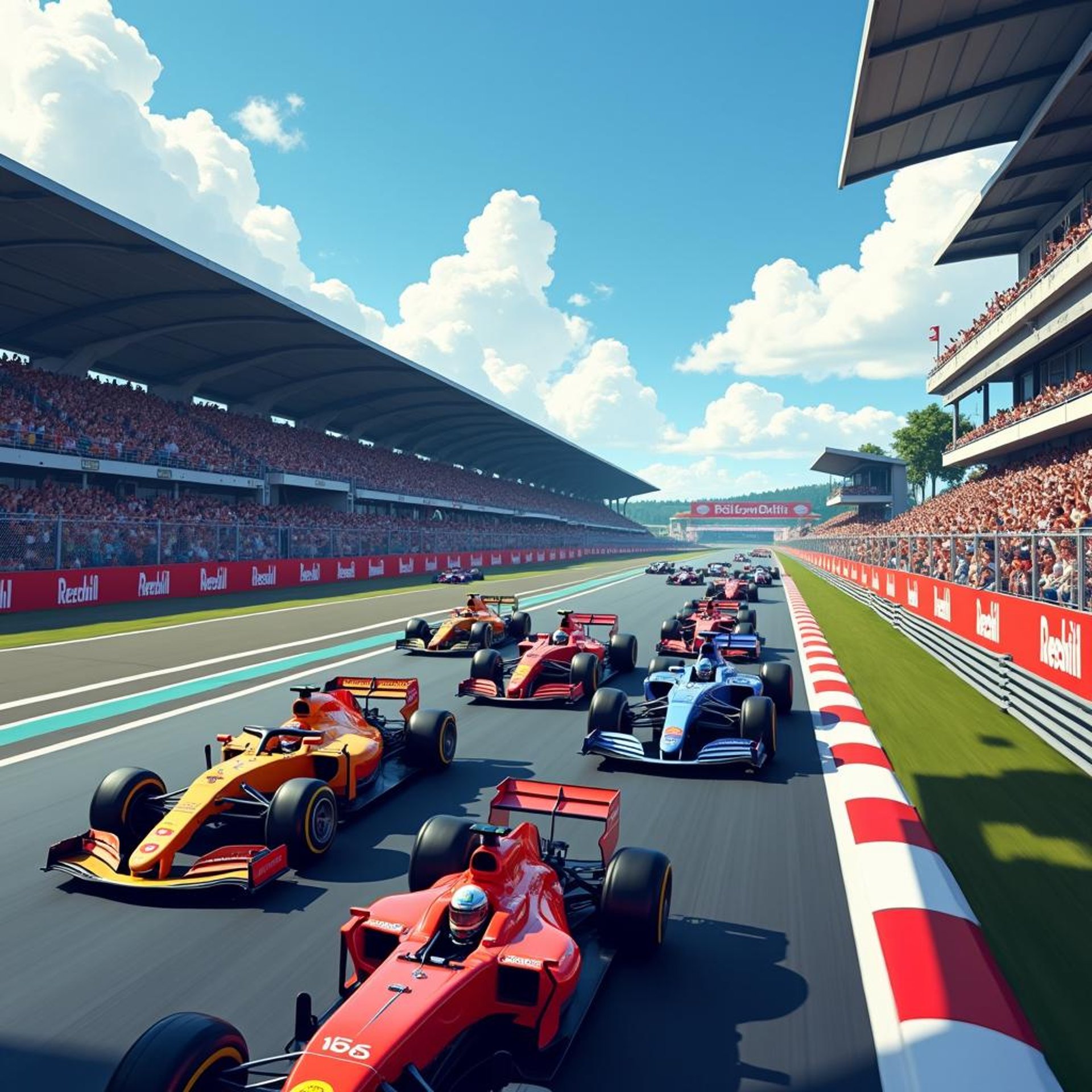
Surprising Facts You Didn't Know About Formula 1
Think you know everything there is to know about Formula 1 racing? Think again. Read our article to learn the finer details of Grand Prix and more.
FORMULA 1
Powerful Tickets
11/1/20254 min read
The Origins of Formula 1
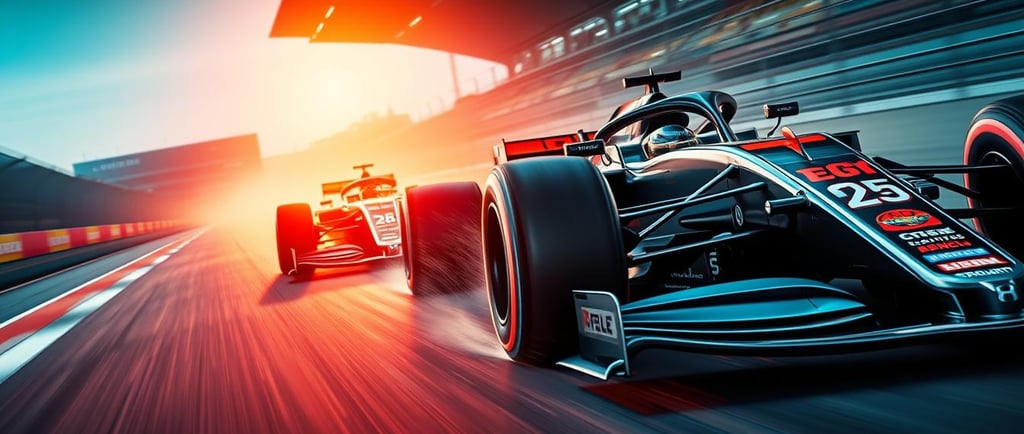
The roots of Formula 1 can be traced back to the aftermath of World War II, a time when a global thirst for motorsport surged. The Fédération Internationale de l'Automobile (FIA) recognized the potential to revitalize the racing community and established a formula that would govern this new category of racing. This initiative culminated in the inaugural Formula 1 World Championship held in 1950, marking the official start of a thrilling motorsport era.
The 1950 championship featured a combination of iconic circuits, including Silverstone in the United Kingdom and Monza in Italy, which played instrumental roles in shaping the sport's narrative. These tracks became synonymous with thrilling races and showcased the skill and bravery of drivers during an age when safety measures were rudimentary at best. The inaugural race took place at Silverstone on May 13, where the atmosphere was electric, setting the stage for decades of intense competition.
Among the key figures of this period, Italian driver Giuseppe Farina emerged as the first-ever Formula 1 World Champion, showcasing the remarkable talent in the field. His rivalry with fellow drivers, such as Juan Manuel Fangio, illustrated the fierce competition that defined early Formula 1 racing. The battles on the track were complemented by the burgeoning popularity of the sport, which attracted numerous fans and media attention.
As the years progressed, Formula 1 evolved significantly, incorporating advanced technologies and improved car designs. The championship attracted manufacturers and sponsors alike, transforming it into a formidable business enterprise. This evolution laid the foundation for the global phenomenon that Formula 1 represents today, with millions of fans tuning in to witness the relentless pursuit of speed and excellence.
The Technology Behind the Speed
The world of Formula 1 racing is a marvel of engineering and technology, combining sophisticated designs with cutting-edge innovations that allow cars to achieve incredible speeds. One of the most critical aspects of an F1 car's performance is its aerodynamic design. Engineers meticulously contour the body of the car to minimise drag while maximising downforce, ensuring that the vehicle remains stable at high speeds. These aerodynamic elements include wings, diffusers, and side pods, all of which work in unison to create a balance between speed and grip on the track.
In addition to aerodynamics, the advancements in engine technology have significantly contributed to the performance of Formula 1 cars. Modern F1 engines, primarily V6 turbo hybrids, are a fusion of power and efficiency. These engines harness not just traditional fuel but also utilise energy recovery systems that capture heat and kinetic energy, converting it into additional power when needed. This hybrid technology enhances overall performance while also addressing environmental concerns, showcasing how innovation continues to propel the sport forward in a sustainable manner.
Circuit de Monaco stands out as one of the most challenging tracks in the Formula 1 calendar, primarily due to its narrow and winding layout. Here, the technology behind the speed is put to the ultimate test, as drivers must navigate tight corners and elevation changes with precision. The unique demands of this iconic street circuit require teams to fine-tune their aerodynamics and power settings to maintain competitive speeds without sacrificing control. The engineering decisions made in preparing for a Monaco Grand Prix can serve as a testament to the importance of technology in both enhancing speed and ensuring safety in high-stakes racing environments.
The Role of Strategy in Races
In the realm of Formula 1, race strategy plays a pivotal role that extends far beyond raw speed. The tactical decisions made by teams significantly influence race outcomes, particularly concerning tire selection, pit stop timing, and fuel management. Each of these elements requires meticulous planning and rapid adaptation throughout the race, given the ever-changing dynamics on the track.
Tire selection is one of the most critical aspects of race strategy. Teams must choose the most suitable tire compound based on factors such as track conditions, weather, and driver preferences. For instance, during the recent race at the Circuit of the Americas, teams that opted for the softer tire during the early laps gained a competitive edge before facing degradation issues later in the race. This foresight not only demonstrated the importance of a well-considered tire strategy but also showcased how teams can leverage their choices to capitalise on opponents' weaknesses.
Another crucial component is pit stop timing. The ideal moment to pit can be a game-changer, often dictating the race's outcome. A notable example occurred at Suzuka International Racing Course, where a poorly timed pit stop by one team allowed another to gain valuable track position. Teams must consider various factors such as tire wear and fuel consumption, but also unpredictables like safety cars, which can drastically alter their planned strategy.
Fuel management also contributes significantly to the strategic landscape of Formula 1 races. Drivers must balance speed with fuel consumption, prompting teams to devise comprehensive fuel strategies that maximise performance without compromising the risk of running out of fuel. The intricate interplay of these elements underscores the essential nature of strategy in racing. By mastering these tactics, teams can engineer surprising outcomes that defy expectations on race day.
Unusual Rules and Regulations
Formula 1 is renowned for its exhilarating races and elite level of competition, yet it is equally characterised by a complex web of unusual rules and regulations that govern this prestigious motorsport. Understanding these rules can provide deeper insights into the intricacies of the sport and its strategy. One of the most fascinating aspects of Formula 1 is the use of flags, which signal different conditions and commands during a race. For instance, the yellow flag indicates caution, urging drivers to reduce speed due to obstacles on the track, while the red flag halts the race entirely, usually for dangerous conditions. These flags play a critical role in ensuring the safety of drivers and spectators alike.
Moreover, the implementation of team orders is a notable regulation that has sparked much debate over the years. Teams often strategise to optimise their chances of winning, sometimes instructing one driver to let another pass, thereby prioritising championship points. This practice, while controversial, underscores the tactical dimensions of racing. Another surprising example of unique regulations can be observed at the famed Spa-Francorchamps circuit in Belgium, known for its unpredictable weather and challenging layout. Here, race directors have specific protocols for varying weather conditions, including how the drivers should approach wet versus dry track scenarios, which can significantly influence race outcomes.
However, these regulations are not universally applied, as different circuits may have specific rules tailored to their unique characteristics. As a result, drivers and teams must be adaptable, as strategies can vary dramatically from one venue to another. The confluence of these unusual rules not only adds to the complexity of Formula 1 racing but also enhances its appeal, as fans appreciate the tactical battles that unfold in real-time, often influenced by the very regulations that govern the sport.
Powerful Tickets has early bird prices for tickets to all the 2026 Formula 1 races.
WORKING HOURS
Support
07706 134126
info@powerfultickets.com
Monday - Friday 9:00 AM - 6:00 PM
Saturday - Sunday 8:00 AM - 12:00 PM
ADDRESS
7A High Street
Barnet
Greater London
EN5 5UE
Your trusted marketplace for premium event tickets. We connect you with the best seats at the best prices for sports and concerts worldwide.
The Powerful Group Limited © 2025.
All rights reserved.