EXPERTLY SOURCED SPORT & CONCERT TICKETS FOR WORLDWIDE EVENTS - OFFICIAL TICKETS ONLY


Aston Martin Formula 1 Ambitions: Alonso's Impact
Explore Aston Martin Formula 1 ambitions and Fernando Alonso's significant impact on the team. Can the Silverstone team challenge Red Bull and Ferrari for future F1 titles? Discover insights and predictions for the upcoming seasons.
FORMULA 1
Powerful Tickets
3/15/20265 min read
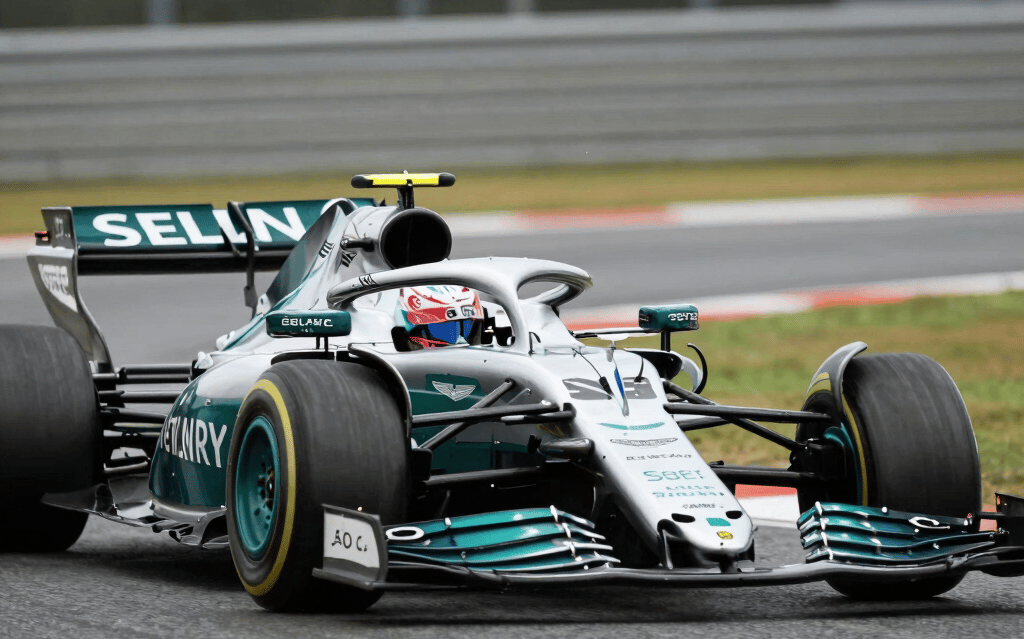
Aston Martin’s Formula 1 Ambition: Can the Silverstone Team Become a Championship Contender?
Aston Martin’s Bold Vision in Formula 1
The Aston Martin Formula 1 team has become one of the most ambitious projects in modern Formula 1 racing. Backed by significant investment, a cutting-edge factory in Silverstone, and a star driver lineup led by Fernando Alonso, the team has set its sights firmly on competing for Formula 1 world championships.
Over the past few seasons, Aston Martin has transformed from a midfield competitor into a team with genuine aspirations of fighting at the front of the grid. With infrastructure upgrades, world-class engineering talent, and long-term development plans, the Silverstone-based organisation believes it has the foundations needed to challenge the sport’s biggest names.
However, success in Formula 1 is never guaranteed. Despite major progress, Aston Martin still faces fierce competition from teams such as Red Bull Racing, Mercedes-AMG Petronas Formula One Team, and Scuderia Ferrari.
The question now is simple: can Aston Martin turn ambition into championship-winning performance?
The Transformation of Aston Martin’s Formula 1 Project
When Aston Martin returned to Formula 1 under its current identity in 2021, it signalled the beginning of a long-term competitive strategy. The organisation committed massive financial resources to build what many describe as a “dream project” in Formula 1.”
One of the most significant developments was the construction of a new state-of-the-art F1 campus in Silverstone, designed to rival the facilities used by the sport’s leading teams. The complex includes advanced manufacturing areas, engineering departments, and a new aerodynamic wind tunnel.
This investment reflects a major shift in Aston Martin’s approach to Formula 1 car development. Instead of relying on incremental improvements, the team aims to build an entire ecosystem capable of delivering championship-level performance.
Key elements of the project include:
A modern Formula 1 headquarters in Silverstone
Advanced aerodynamic testing facilities
Increased engineering and design staff
Improved simulation and data analysis tools
These upgrades are crucial because modern F1 car performance depends heavily on technological development. Teams that dominate the sport typically have superior infrastructure and research capabilities.
Fernando Alonso: The Experience Driving Aston Martin Forward
A major factor in Aston Martin’s rise has been the arrival of two-time Formula 1 world champion Fernando Alonso.
Few drivers in the history of the sport bring the same level of experience, racecraft, and determination as Alonso. Having competed against multiple generations of Formula 1 drivers, he provides Aston Martin with invaluable feedback that helps guide the team’s development direction.
Alonso’s presence offers several advantages:
Technical Feedback
Modern Formula 1 drivers play a critical role in helping engineers refine the car. Alonso’s ability to analyse handling characteristics and aerodynamic behaviour gives the team clear direction for improvement.
Competitive Mentality
Alonso’s relentless approach to racing pushes the team to maintain high performance standards.
Leadership
Younger engineers and drivers benefit from the insights of a driver who has competed in more than two decades of top-level motorsport.
In many ways, Alonso acts as both a driver and a strategic asset in Aston Martin’s Formula 1 development programme.
The Competitive Landscape of Modern Formula 1
Although Aston Martin’s ambitions are clear, the reality of modern Formula 1 competition makes success extremely difficult.
The sport is dominated by teams that have spent decades refining their engineering processes and building elite technical departments. Among the strongest rivals is Red Bull Racing, whose recent dominance has set the benchmark for car performance and aerodynamic innovation.
Similarly, Mercedes and Ferrari remain powerful forces in the sport due to their long histories of technical excellence and substantial resources.
For Aston Martin to compete with these teams, it must close several performance gaps:
Aerodynamic efficiency
Race-day strategy execution
Consistency across multiple race weekends
Reliability and mechanical performance
These factors collectively determine success in Formula 1, where even minor improvements can significantly impact race results.
The Importance of Aerodynamics in Formula 1
In modern Formula 1 engineering, aerodynamics is arguably the most critical factor in determining car performance.
Ground-effect regulations introduced in recent seasons mean teams must carefully manage airflow beneath and around the car to generate downforce without increasing drag.
This is where Aston Martin’s new wind tunnel and aerodynamic department become essential. These facilities allow engineers to test thousands of design variations in search of optimal performance.
Improving aerodynamic efficiency could help Aston Martin:
Increase cornering speed
Reduce tyre wear
Improve race pace
Enhance overtaking opportunities
If the team successfully unlocks these gains, it could move significantly closer to the front of the grid.
Leadership and Organisational Evolution
Another major element of Aston Martin’s strategy involves refining its leadership structure.
For example, Mike Krack has played a key role in guiding the team’s technical and trackside operations. Adjustments in management roles are part of Aston Martin’s broader effort to streamline decision-making and improve performance.
In Formula 1, organisational efficiency is just as important as technical innovation. Teams that communicate effectively and respond quickly to challenges often outperform rivals with similar resources.
Aston Martin’s evolving leadership structure aims to create a high-performance culture similar to that of championship-winning teams.
Why Aston Martin’s Long-Term Strategy Could Work
Despite the challenges, many analysts believe Aston Martin’s project has genuine potential.
Several factors support this optimism.
1. Infrastructure Investment
Few teams have invested as heavily in facilities as Aston Martin. The new Silverstone campus provides tools capable of supporting world-class car development.
2. Elite Talent Recruitment
The team continues to attract experienced engineers and technical experts from across Formula 1.
3. Strong Driver Line-Up
With Fernando Alonso leading development and providing race-winning expertise, Aston Martin has one of the most experienced drivers on the grid.
4. Long-Term Vision
Unlike some teams that focus on short-term results, Aston Martin’s leadership emphasises sustainable competitiveness over multiple seasons.
These elements suggest the team is building a foundation that could eventually produce championship-contending Formula 1 cars.
The Road Ahead for Aston Martin in Formula 1
Looking ahead, Aston Martin faces a crucial period in its development journey.
Upcoming Formula 1 seasons will reveal whether the team’s investments translate into consistent performance gains. Achieving regular podium finishes would represent a significant milestone and demonstrate the project’s progress.
To reach the next level, Aston Martin must:
Continue refining its aerodynamic package
Deliver effective race strategies
Maintain reliability across a full season
Close the performance gap to Red Bull and other top teams
If these goals are achieved, the team could soon become one of the sport’s most competitive organisations.
Conclusion: Aston Martin’s Pursuit of Formula 1 Glory
The story of Aston Martin in Formula 1 racing is one of ambition, investment, and long-term vision.
The team has built an impressive foundation through:
Cutting-edge facilities
Strategic leadership changes
Elite engineering talent
The experience of Fernando Alonso
Yet the world of Formula 1 remains one of the most competitive environments in global sport. Turning infrastructure and ambition into championship success requires consistent innovation and flawless execution.
As the next seasons unfold, fans and analysts alike will be watching closely to see whether Aston Martin can fulfil its dream of becoming a Formula 1 world championship contender.
If the team’s ambitious project delivers on its promise, the Silverstone outfit could soon join the ranks of Formula 1’s elite.
WORKING HOURS
Support
07706 134126
info@powerfultickets.com
Monday - Friday 9:00 AM - 6:00 PM
Saturday - Sunday 8:00 AM - 12:00 PM
ADDRESS
The Powerful Group Limited
124 City Road
London
United Kingdom
EC1V 2NX
Your trusted marketplace for premium event tickets. We connect you with the best seats at the best prices for sports and concerts worldwide.
The Powerful Group Limited © 2025.
All rights reserved.